Suburban two-families house refurbishment in Lithuania
A typical multi-apartment post-Soviet style residential building was chosen todemonstrate new renovation opportunities. The total floor area of the building is 1100m2 and the total area of external walls is 1350 m2. Two apartments on the ground and first floor of the building were selected to test BIO4EEB technologies. The rest of the building will be insulated with stone wool in traditional way.
The floor plan below indicates the exact interventions during the renovation.
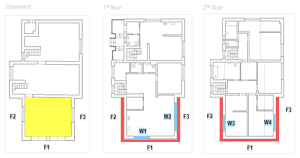
For the renovation the following have been completed:
- Internal insulation technology with Posidonia + PECs Bio-based panels (42.6 m2) (Basement (garage) ceiling)
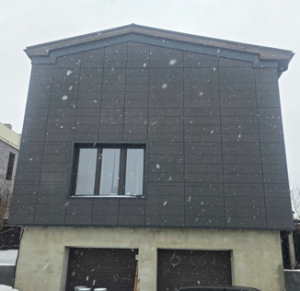
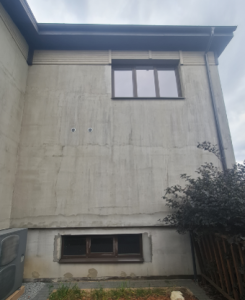
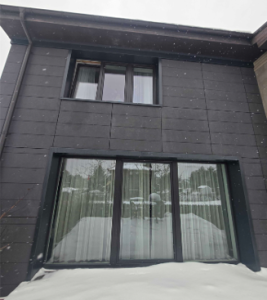
- Bio-based (BIO-Polyurethane foams) ventilated façade F1 (46.1 m2), F2 (33.1 m2), F3 (24.3 m2) (prefabricated façade panels)
- Bio-based windows W1, W2, W3, W4
Below you can see the before (left) and after (right) images of the demo site.
View F1
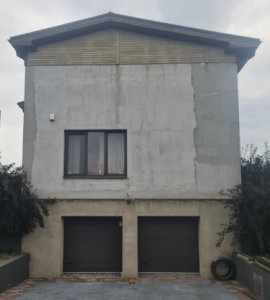
View F2
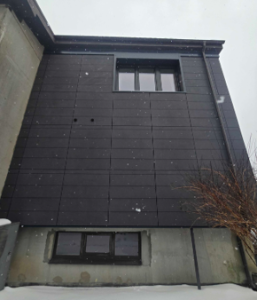
View F3
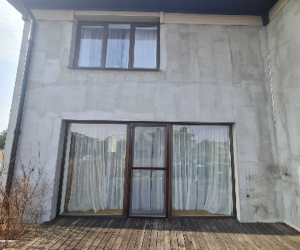
Historical/protected residential complex refurbishment in Spain
This demo case residential complex was built in 1929 and is located at the northern part of Mallorca Island.This building is listed in the Catalogue of Elements of Artistic, Historical, Environmental and Heritage interest in Mallorca. Its protection level is subject to protection of certain elements, such as facades, terraces and gardens.
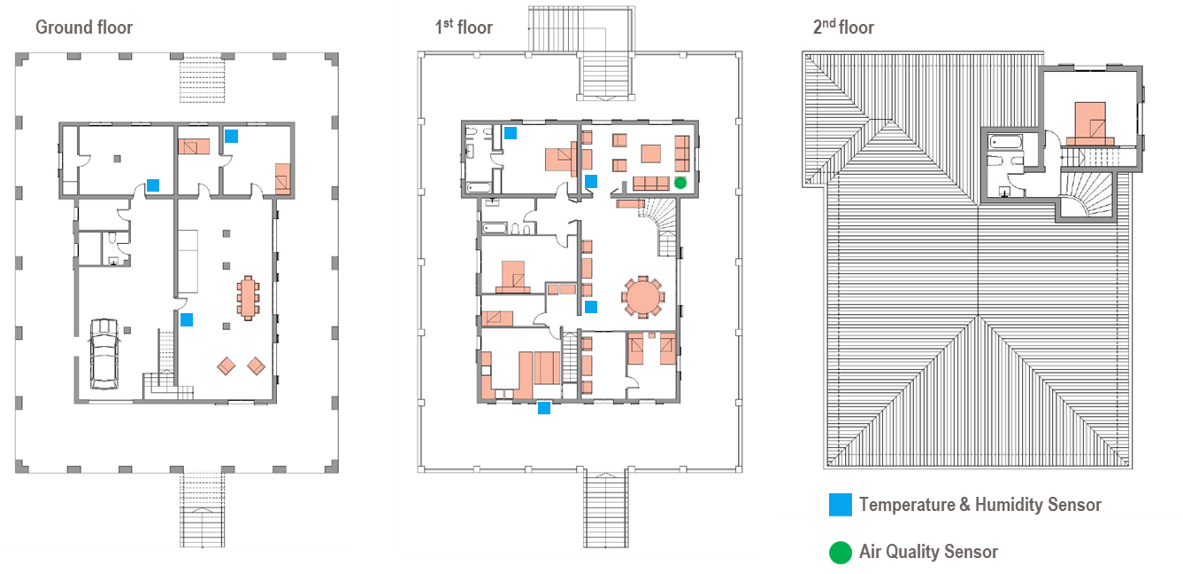
Floor plans of the Spanish demo site are illustrated in the image below.
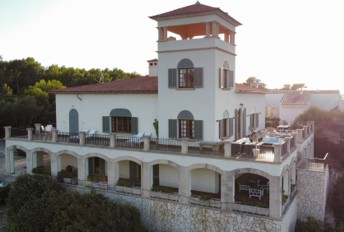
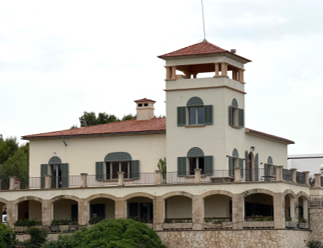
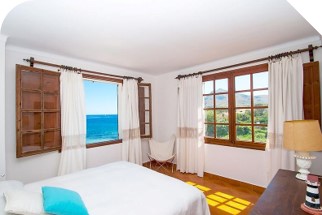
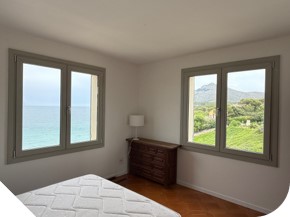
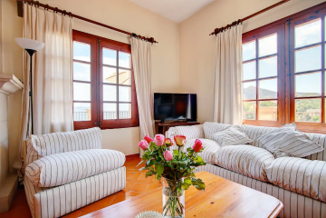
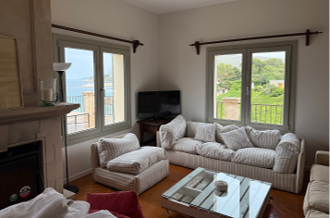
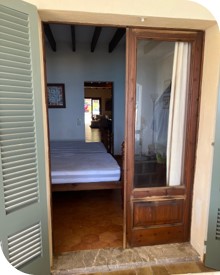
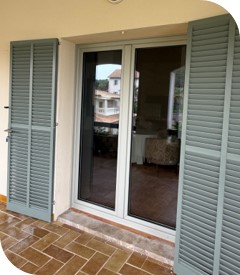
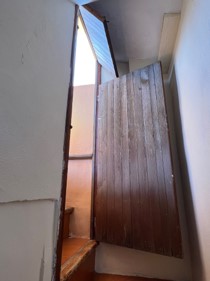
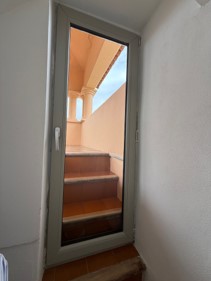
Before (left) and after (right) images of the Spanish demo site are shown below.
Refurbishment of an office building now used for housing in Germany
This demo case was built in 1950 as detached single family house, now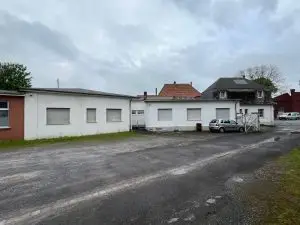 it will be restructured, modernised andextended as an apartment house with 3 condominiums. The total floor area is 425 m² + 112 m² in the cellar. The total area of external walls is 420 m². The purpose of this demo-case is to demonstrate the application of the BIO4EEB technologies in new and existing buildings. The prefabricated rooftop extension and the new north façade were selected to test Bio4EEB technologies as panels and insulation on the exterior walls and on the roof.
Suburban semi-detached house refurbishment in Czech Republic
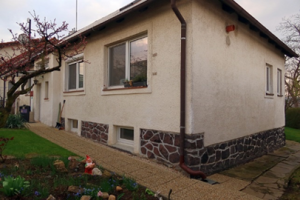
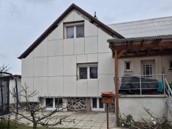
This demo site is a semi-detached located in suburban area of Prague. The total floor area in the house is 194 m2. The windows are double glazed uPVC windows. The roof truss is made from timber and the roof is covered with metal roofing sheets.
The un-refurbished Czech rural houses built in the period 1921-1945 have rather poor energy performance. The energy saving potential of this part of the Czech housing stock is worth paying attention. About 60-70% of rural buildings originating from the pre-war period do not meet the current energy efficiency standards.
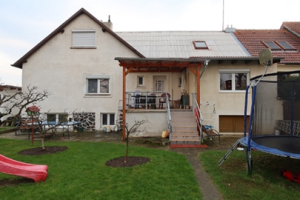
Below you can see the before (left) and after (right) images of the demo site.
View 1
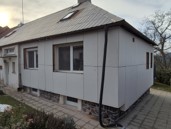
View 2
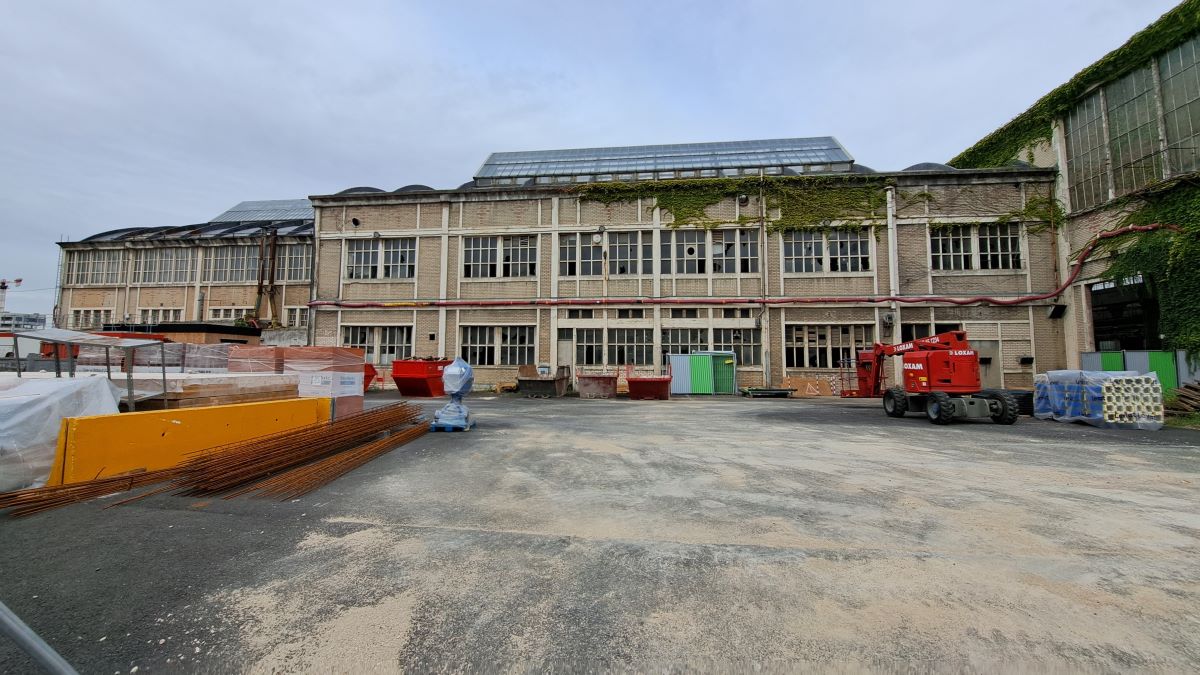
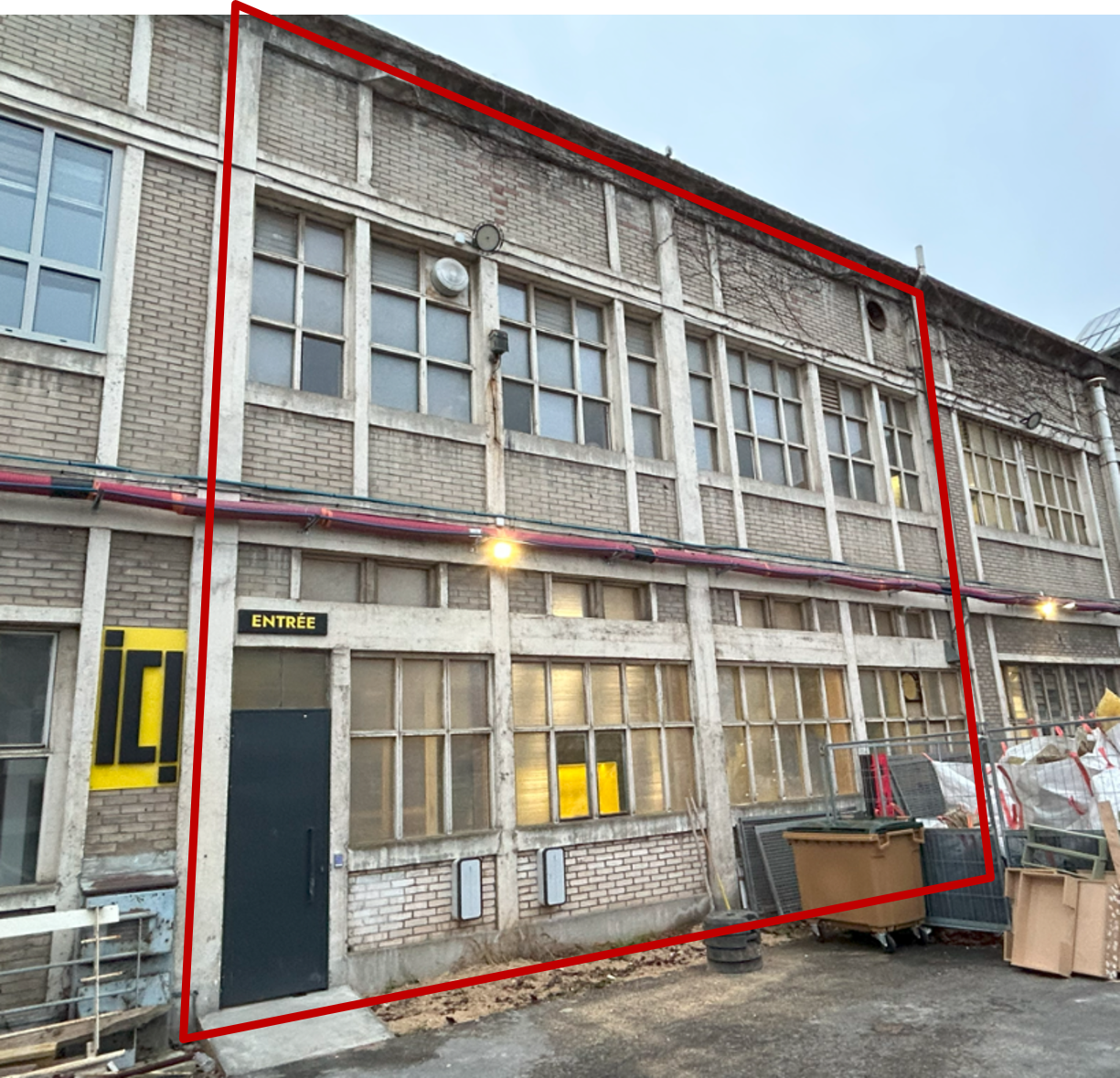
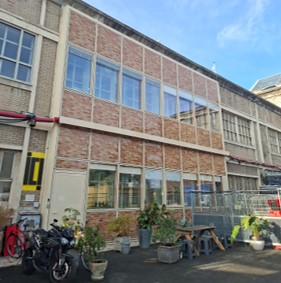
The BIO4EEB experiment will take place on a requalification project of an industrial wasteland in Vitry-sur-Seine near Paris into a vast multi-year 18,000m² program. Inside this project, BIO4EEB will focus on the former train maintenance halls “Halles des Ardoines”. The building is the subject of an initial prefiguration phase where it is transformed into offices and work spaces for local sustainable SMEs, including CYNEO – BYCN’s collaborative reuse platform. The ambition of the general project is to create a vibrant, mixed-use neighborhood in a productive city. The “Halles des Ardoines” has the specific strong ambition to become the demonstrator of the low-carbon city. The purpose of this demo-case is to demonstrate the application of the BIO4EEB technologies in an existing historic building, while respecting the constraints of the façade style.
Approximately 100 m2 of the bio-based prefabricated façade will be applied to the exterior walls. The process will include an initial 3D scan of the existing façade to facilitate industrialization and respect for the style of the façade. A monitoring before and after the implementation of BIO4EEB technologies will make it possible to compare the performance of the project.
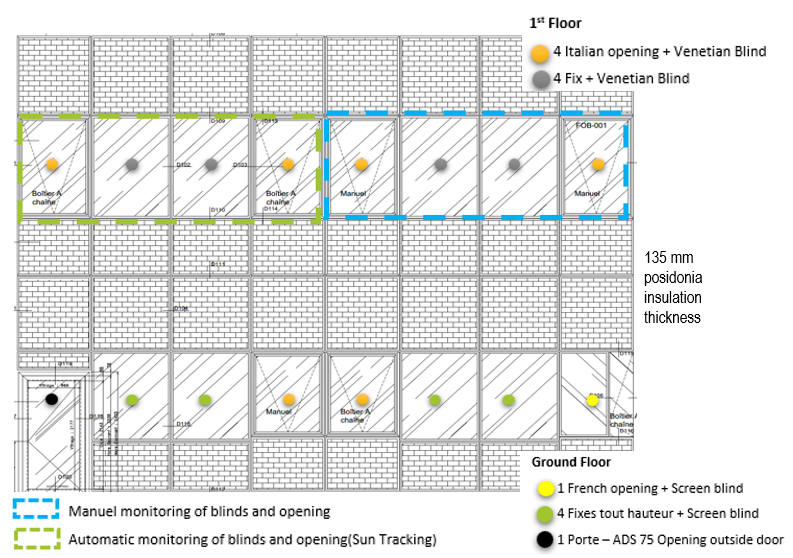
Before and after images